
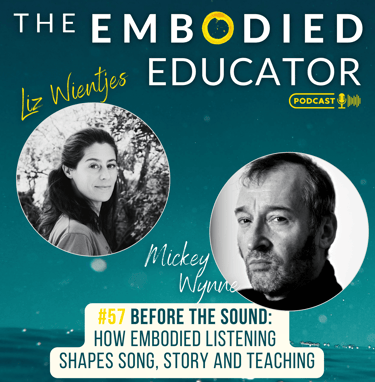
#57 BEFORE THE SOUND
How Embodied Listening Shapes Song, Story and Teaching
Liz Wientjes
12/3/2025

BEFORE THE SOUND
How embodied listening shapes song, story and teaching
With Micky Wynne
BEFORE THE SOUND
How embodied listening shapes song, story and teaching
With Micky Wynne

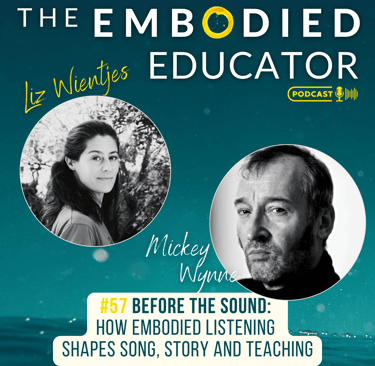

Resting Your Ears: What Musicians Teach Us About Embodied Listening
Reflections on my conversation with Mickey Wynne
Some conversations settle into a familiar pattern.
And then there are conversations like the one with musician–educator Mickey Wynne: unrushed, circular, textured. He literally reminded me of the turning of the whirling dervishes —> the way their movement creates inner stillness rather than noise. Something widens as you listen, almost as if the body receives the next words or move before the mind does.
Mickey grew up in a household where music was a way of being, not an achievement to chase. His father and grandfather didn’t train him to perform; they welcomed him into a lineage of sound. He describes it not as pressure, but as privilege — a kind of meandering permission to explore. That early atmosphere of freedom continues to shape his way of teaching today.
Listening as an Embodied Educational Skill
When I asked Mickey what it meant to him to play the guitar, he didn’t tell a story about his own mastery.
He told a story about a student.
A young guitarist who, after weeks of trying, finally managed to sweep all six strings in one fluid barre movement. Mickey’s eyes lit up as he described it — not because the student “got it right,” but because something in the student’s body suddenly organized itself. Timing, pressure, focus, breath. A small moment, but one that revealed how deeply Mickey works from a place of service.
This is where embodiment enters the classroom in a very practical way. Learning any complex skill — musical or otherwise — requires sensorimotor integration, the brain’s ability to coordinate sensory input with physical action. Research in cognitive neuroscience shows that motor learning depends on mindful repetition, adequate rest, and the presence of a calm, attuned facilitator (Gazzaniga, Ivry & Mangun, Cognitive Neuroscience). Mickey instinctively creates that terrain.
He listens before he instructs.
He attunes before he corrects.
This shifts the power dynamic: the student isn’t shaped by the teacher’s agenda, but supported through the natural timing of their nervous system. And that changes everything.
“Being a listener… it’s so important. Because everyone has a story — even people who don’t believe theirs matters.”
It is a simple sentence, yet it captures one of the most overlooked dimensions of education: the physiological impact of being received.
Resting Your Ears: A Sensory Reset
It's always such pleasure to notice there's an embodied vocabulary to my guests work, to showcase the deeper integration of body in what they do. And in Mickey's case I was touched by his care for his ears, and the sensitization of his body to sound. He was really keen on rest.
Not the romanticized “artist retreat” kind of rest, you could say more the biological kind.
Musicians depend on auditory acuity, and the auditory cortex fatigues the same way a muscle does. Research in auditory neuroscience shows that sensory neurons recover sensitivity during periods of silence (Perez-Gonzalez et al., Trends in Hearing).
Mickey has built rest into his daily rhythm, in order to be able to work and produce:
“If you don’t rest your ears, you stop hearing what’s actually there.”
It’s an insight with wide implications:
Educators who never pause may miss subtle signals from students.
Creatives who work without recovery lose nuance in their perception.
Anyone navigating a world of constant input risks becoming desensitized.
The necessity of silence to filter out noice!
Silence isn’t passive.
It’s a tuning mechanism.
And this Mickey tuned up a notch with his practice of The whirling dervishes, which helps quieting the thinking mind, and making the body more available to sensation. But you do have to go slow and maybe have a bit of a steady stomach ;P Check us at the end to see ho
Mickey’s approach to sound carries a similar quality: he creates conditions for listening before expecting expression.
Resting Your Ears: What Musicians Teach Us About Embodied Listening
Reflections on my conversation with Mickey Wynne
Some conversations settle into a familiar pattern.
And then there are conversations like the one with musician–educator Mickey Wynne: unrushed, circular, textured. He literally reminded me of the turning of the whirling dervishes —> the way their movement creates inner stillness rather than noise. Something widens as you listen, almost as if the body receives the next words or move before the mind does.
Mickey grew up in a household where music was a way of being, not an achievement to chase. His father and grandfather didn’t train him to perform; they welcomed him into a lineage of sound. He describes it not as pressure, but as privilege — a kind of meandering permission to explore. That early atmosphere of freedom continues to shape his way of teaching today.
Listening as an Embodied Educational Skill
When I asked Mickey what it meant to him to play the guitar, he didn’t tell a story about his own mastery.
He told a story about a student.
A young guitarist who, after weeks of trying, finally managed to sweep all six strings in one fluid barre movement. Mickey’s eyes lit up as he described it — not because the student “got it right,” but because something in the student’s body suddenly organized itself. Timing, pressure, focus, breath. A small moment, but one that revealed how deeply Mickey works from a place of service.
This is where embodiment enters the classroom in a very practical way. Learning any complex skill — musical or otherwise — requires sensorimotor integration, the brain’s ability to coordinate sensory input with physical action. Research in cognitive neuroscience shows that motor learning depends on mindful repetition, adequate rest, and the presence of a calm, attuned facilitator (Gazzaniga, Ivry & Mangun, Cognitive Neuroscience). Mickey instinctively creates that terrain.
He listens before he instructs.
He attunes before he corrects.
This shifts the power dynamic: the student isn’t shaped by the teacher’s agenda, but supported through the natural timing of their nervous system. And that changes everything.
“Being a listener… it’s so important. Because everyone has a story — even people who don’t believe theirs matters.”
It is a simple sentence, yet it captures one of the most overlooked dimensions of education: the physiological impact of being received.
Resting Your Ears: A Sensory Reset
It's always such pleasure to notice there's an embodied vocabulary to my guests work, to showcase the deeper integration of body in what they do. And in Mickey's case I was touched by his care for his ears, and the sensitization of his body to sound. He was really keen on rest.
Not the romanticized “artist retreat” kind of rest, you could say more the biological kind.
Musicians depend on auditory acuity, and the auditory cortex fatigues the same way a muscle does. Research in auditory neuroscience shows that sensory neurons recover sensitivity during periods of silence (Perez-Gonzalez et al., Trends in Hearing).
Mickey has built rest into his daily rhythm, in order to be able to work and produce:
“If you don’t rest your ears, you stop hearing what’s actually there.”
It’s an insight with wide implications:
Educators who never pause may miss subtle signals from students.
Creatives who work without recovery lose nuance in their perception.
Anyone navigating a world of constant input risks becoming desensitized.
The necessity of silence to filter out noice!
Silence isn’t passive.
It’s a tuning mechanism.
And this Mickey tuned up a notch with his practice of The whirling dervishes, which helps quieting the thinking mind, and making the body more available to sensation. But you do have to go slow and maybe have a bit of a steady stomach ;P Check us at the end to see ho
Mickey’s approach to sound carries a similar quality: he creates conditions for listening before expecting expression.
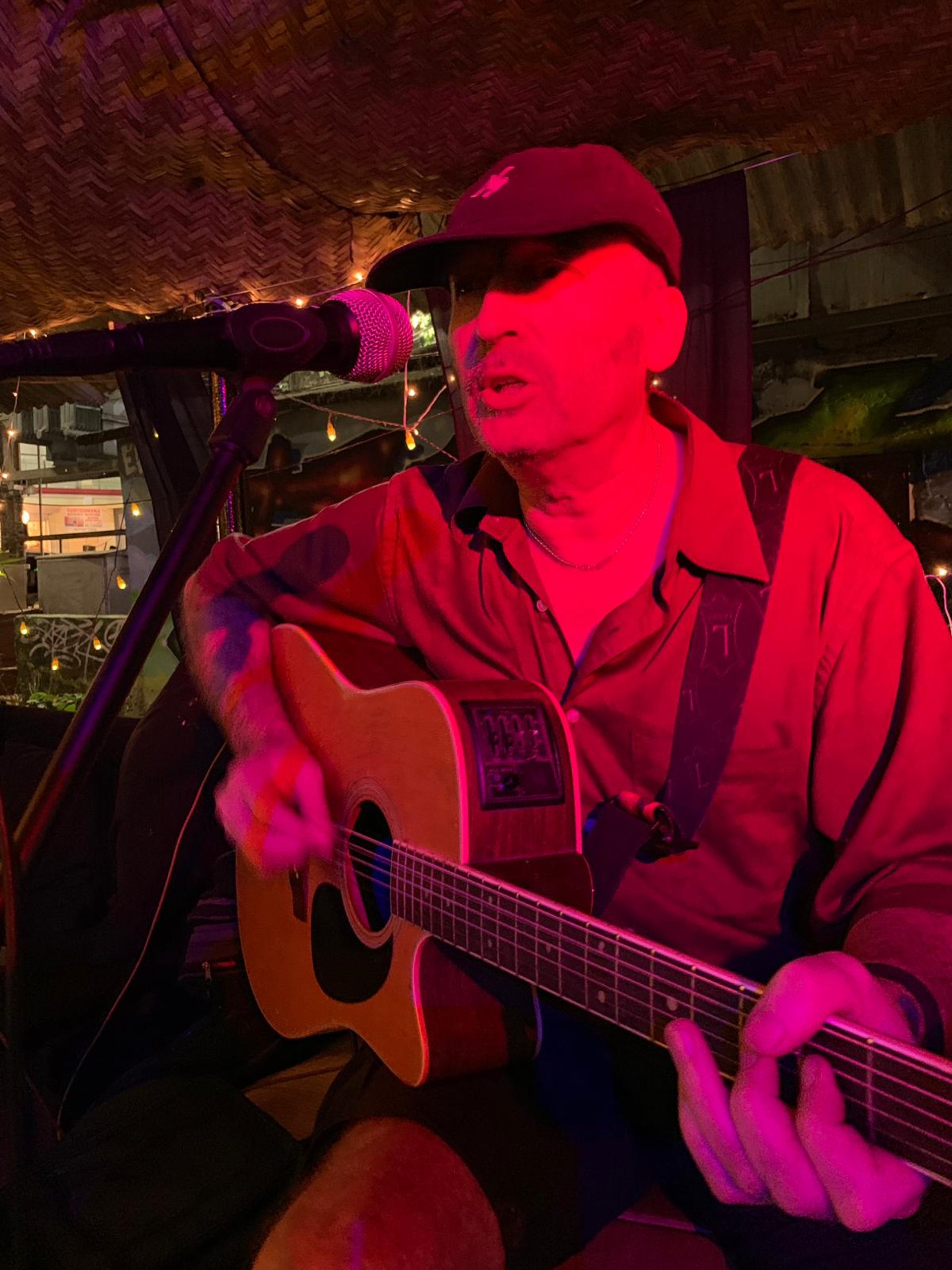
The World of Mick - Fierce Love
His third solo album MICK III with the working title 'Fierce Love' is on it's way. Check out his songs on Spotify, for example Beautiful Thing
~ Mickey Wynne ~
The World of Mick - Fierce Love
His third solo album MICK III with the working title 'Fierce Love' is on it's way. Check out his songs on Spotify, for example Beautiful Thing
~ Mickey Wynne ~
Frequency, Resonance & the Science of Story
At one point in our conversation, Mickey referenced Nikola Tesla’s line:
“If you want to find the secrets of the universe, think in terms of energy, frequency and vibration.”
In physics, resonance describes how an object vibrates more intensely when exposed to a frequency that matches its natural tone. Human beings operate in a similar way. Emotional stories, significant memories, and authentic creative sparks act like frequencies — they resonate when the body is open enough to receive them.
This isn’t metaphor; it is physiology!! Our Biology. Our nervous system (and I am now even daring to say our Fascia Matrix) is constantly evaluating patterns of rhythm, intonation, and vibration. Studies in embodied cognition show that meaning-making is deeply linked to how we sense and feel (Lakoff & Johnson, Philosophy in the Flesh).
Mickey’s songwriting philosophy emerges from this understanding:
Songs begin with attention — not inspiration.
The body encounters a frequency (a story, a moment, a sound), and the creative process becomes a way of translating resonance into form.
The Slow Craft of Songwriting
We also talked about the very practical side of writing songs. Mickey has created a “14 Days – 14 Steps” framework to help people begin. Not by pushing them toward brilliance, but by helping them stay close to story.
Story, he explained, is grounding.
Story is generous.
Story is what we already carry through experience.
If only we start to really notice...
And because he is trained to listen - to rest his ears, to give his attention time to sharpen - he shares and teachers that songwriting is less about inspiration and more about availability.
Availability to:
a fragment of memory
a sensory detail
a rhythm in someone’s voice
or the quiet after sound
This kind of attention asks something of us: presence, patience, and a body that isn’t overstimulated. It’s an invitation to work at the tempo of humanity, not productivity.
The Educator’s Path: Resonant Presence
What I keep returning to after this conversation is how deeply Mickey understands learning as a relational frequency.
Students change in the presence of someone who listens.
Stories emerge when the body feels received.
Creativity deepens when sensory channels are rested and awake.
And songwriting, at its heart, is simply another way of making meaning through the senses.
In that sense, Mickey Wynne is not only a musician, but a practitioner of embodied education: someone who shapes sound, story, and presence with equal care.
Maybe that’s why the conversation felt like a slow turning - a spacious spiral -that left me more attuned than when we began.
A reminder that every craft begins in the same place:
a rested ear,
a patient body,
and a willingness to listen for what wants to be born.
Frequency, Resonance & the Science of Story
At one point in our conversation, Mickey referenced Nikola Tesla’s line:
“If you want to find the secrets of the universe, think in terms of energy, frequency and vibration.”
In physics, resonance describes how an object vibrates more intensely when exposed to a frequency that matches its natural tone. Human beings operate in a similar way. Emotional stories, significant memories, and authentic creative sparks act like frequencies — they resonate when the body is open enough to receive them.
This isn’t metaphor; it is physiology!! Our Biology. Our nervous system (and I am now even daring to say our Fascia Matrix) is constantly evaluating patterns of rhythm, intonation, and vibration. Studies in embodied cognition show that meaning-making is deeply linked to how we sense and feel (Lakoff & Johnson, Philosophy in the Flesh).
Mickey’s songwriting philosophy emerges from this understanding:
Songs begin with attention — not inspiration.
The body encounters a frequency (a story, a moment, a sound), and the creative process becomes a way of translating resonance into form.
The Slow Craft of Songwriting
We also talked about the very practical side of writing songs. Mickey has created a “14 Days – 14 Steps” framework to help people begin. Not by pushing them toward brilliance, but by helping them stay close to story.
Story, he explained, is grounding.
Story is generous.
Story is what we already carry through experience.
If only we start to really notice...
And because he is trained to listen - to rest his ears, to give his attention time to sharpen - he shares and teachers that songwriting is less about inspiration and more about availability.
Availability to:
a fragment of memory
a sensory detail
a rhythm in someone’s voice
or the quiet after sound
This kind of attention asks something of us: presence, patience, and a body that isn’t overstimulated. It’s an invitation to work at the tempo of humanity, not productivity.
The Educator’s Path: Resonant Presence
What I keep returning to after this conversation is how deeply Mickey understands learning as a relational frequency.
Students change in the presence of someone who listens.
Stories emerge when the body feels received.
Creativity deepens when sensory channels are rested and awake.
And songwriting, at its heart, is simply another way of making meaning through the senses.
In that sense, Mickey Wynne is not only a musician, but a practitioner of embodied education: someone who shapes sound, story, and presence with equal care.
Maybe that’s why the conversation felt like a slow turning - a spacious spiral -that left me more attuned than when we began.
A reminder that every craft begins in the same place:
a rested ear,
a patient body,
and a willingness to listen for what wants to be born.
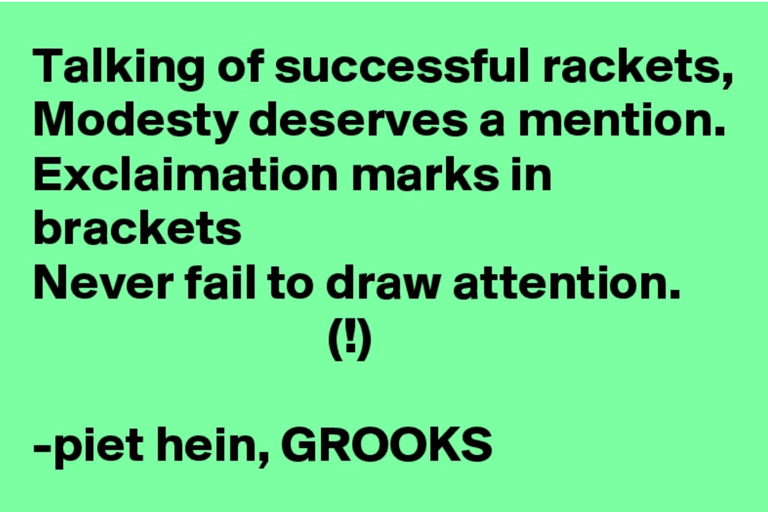
T. T. T.
Put up in a place
where it's easy to see
the cryptic admonishment
T. T. T.
When you feel how depressingly
slowly you climb,
it's well to remember that
Things Take Time!
~ Piet Hein ~

T. T. T.
Put up in a place
where it's easy to see
the cryptic admonishment
T. T. T.
When you feel how depressingly
slowly you climb,
it's well to remember that
Things Take Time!
~ Piet Hein ~
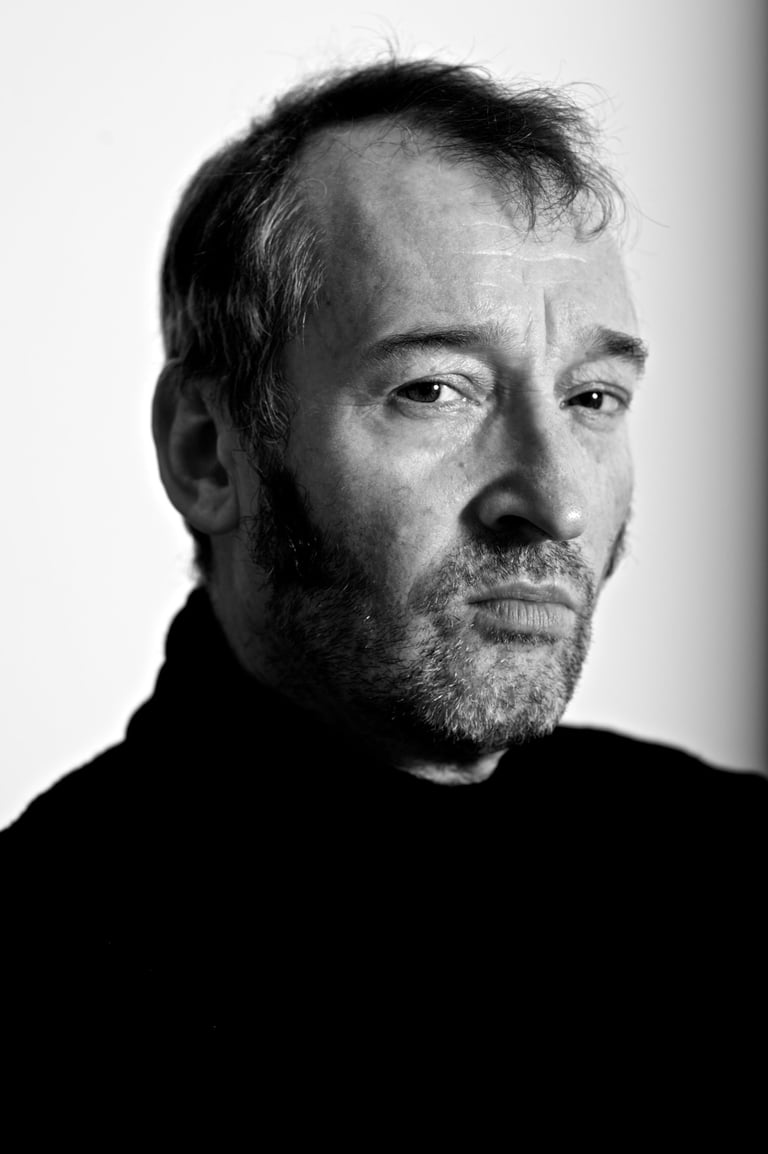
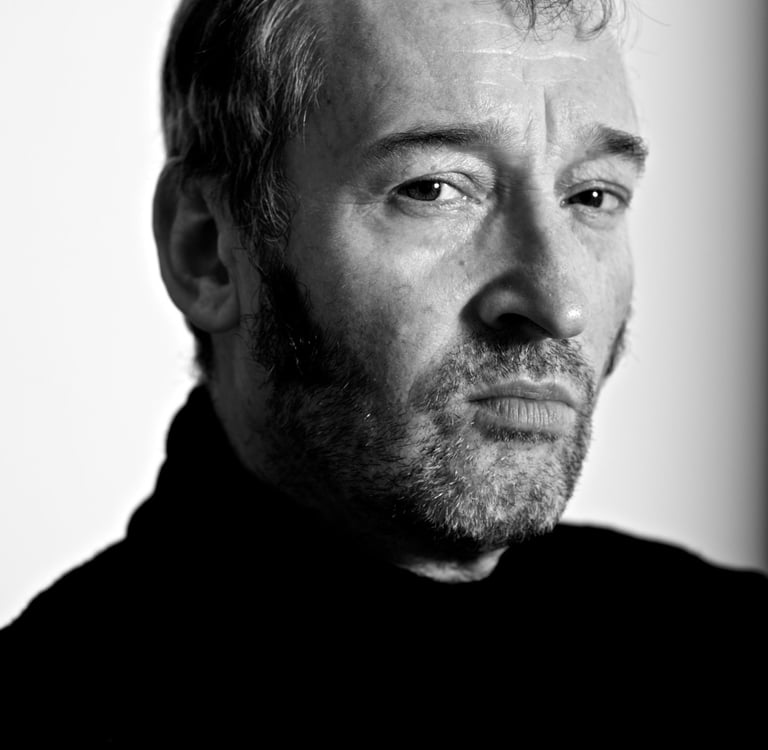
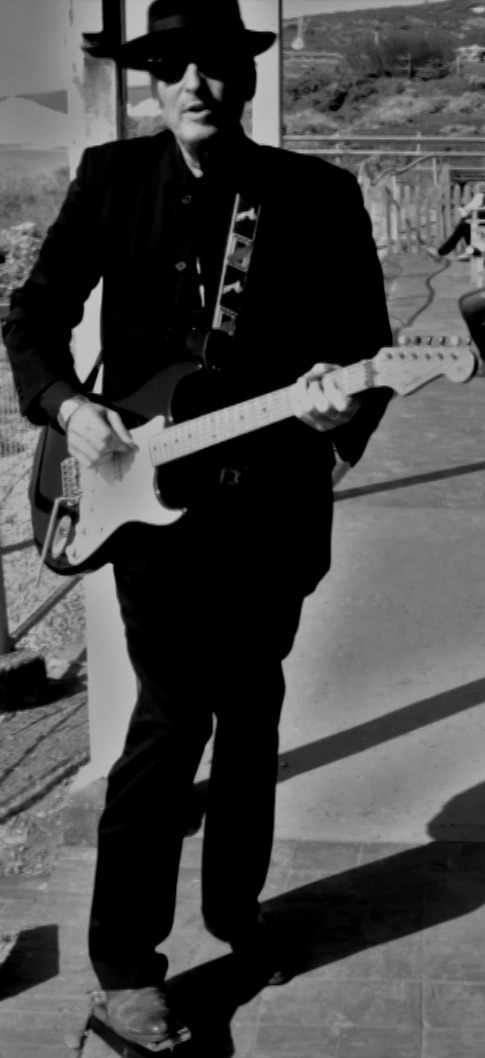
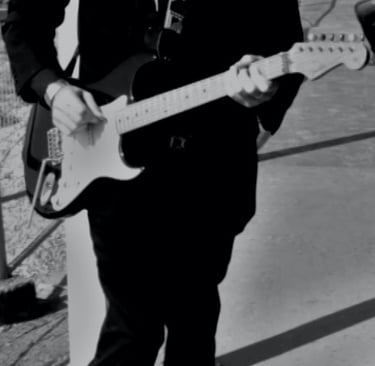
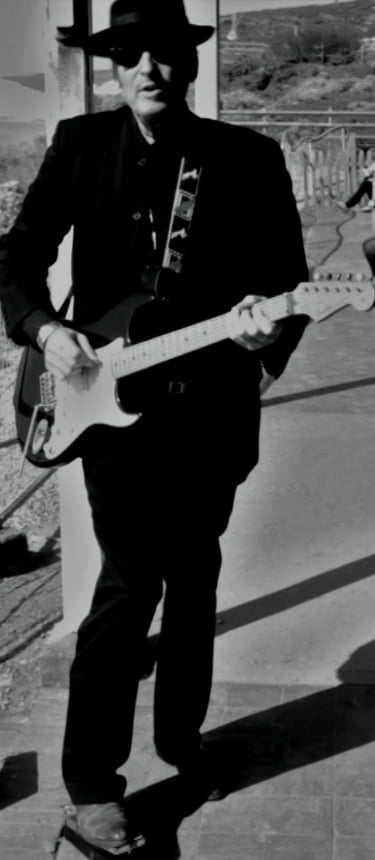
MEET Michael Alexander Wynne (more usually known as Mickey Wynne) was taught guitar by his father at the age of six. He has been writing words and music since the age of nine.
Whilst still at school, he formed his first band and taughtJulian Lennonguitar. As well as working in London (inc.Abbey Roadwith theWiseguysand a run of his musicalGangwar gang Peace).
Michael’s career as a writer-guitarist has taken him across four continents-working and writing in places as diverse as Karachi (with award-winning film directorsSalmanand Usman Peerzada, where he wrote the playAd Mans Dream–broadcast on Pakistan TV),New York (became house writer for MCA/Uni Records), Mexico, Singapore, Sydney, Hamburg andNashville (as a solo artist andwith the Pioneers , a side project for theWho’s John Entwistle) accumulating a rare depth of musical experiences along the way.
On moving to Brighton UK in 2002 and opening two studios, Michael started writing with a number of DJ’s including ‘King ofChill’ Chris Coco–charting in the UK with “Only Love” and formed a writing and production company-Bliss-with actor/ singer songwriter Patrick BerginandMickJackson(Five Star and “Blame it on the Boogie” writer). Acts recorded there have includedMarcella Detroit, Dave Hemingway and Peter Green of Fleetwood Mac fameThe company had a hit single with its first release “the Knacker” by Patrick Bergin and the SpiritMerchants-staying 8 weeks in the Irish charts .
Bio Mickey Wynne


🌍 www.mick.world
🌍 https://mick.bandcamp.com/music
📱Facebook
📱Instagram: @mick.world
🤳🏻 LinkedIn: @Mickey Wynne
Spotify and Apple Music: The World of Mick
www.harmonia.top
www.soundcloud.com/harmoniaproductions www.soundcloud.com/mickeywynne
The late ‘noughties’ then saw Michael developing his second studio-Harmonia Productions workingon writing, performing and recording songs with artists including former Pop Idol contestant KTNeiman, Michael also wrote the music and sound effects for Eliza Wyatt’s play Flowers of Red at the Edinburgh Festival and at the People’s Theater, Boston. Also released on Voiceprint Records in 2006 was the Pioneers album featuring John Entwistle on bass, as well as Michael on guitar.
As a teacher, Michael was recently invited to lecture at BIMM (Brighton Institute of Modern Music)-through this has collaborated with and taught many BIMM alumni. Following the birth of his son in 2013, Michael began writing and playing more classical pieces and in 2015 made an album dedicated to his son called Welcome to the World. He chose to make it available only to family and friends.
As a solo artist Michael has recorded his debut solo album MICK I in 2018 under the artist nameThe World of Mick, released in fall 2019. He's now in final stages of releasing MICK III.
Tracks previewed have received favourable reviews and radio playlisting in the UK and US with to date two million streams on Spotify.
Currently Mick has five MICK I tracks in sync deals with US film and TV companies and is a member of the exclusive sync music group run by Adam McGinnis called The Billboard 500. The World of Mick band are playing UKlive shows in July post pandemic.
As well as still teaching the occasional student, Michael is currently producing new singersongwriters at his recording studio-Harmonia Productions. more info here:www.mick.world
CONTACT MICKEY WYNNE
MEET Michael Alexander Wynne (more usually known as Mickey Wynne) was taught guitar by his father at the age of six. He has been writing words and music since the age of nine.
Whilst still at school, he formed his first band and taughtJulian Lennonguitar. As well as working in London (inc.Abbey Roadwith theWiseguysand a run of his musicalGangwar gang Peace).
Michael’s career as a writer-guitarist has taken him across four continents-working and writing in places as diverse as Karachi (with award-winning film directorsSalmanand Usman Peerzada, where he wrote the playAd Mans Dream–broadcast on Pakistan TV),New York (became house writer for MCA/Uni Records), Mexico, Singapore, Sydney, Hamburg andNashville (as a solo artist andwith the Pioneers , a side project for theWho’s John Entwistle) accumulating a rare depth of musical experiences along the way.
On moving to Brighton UK in 2002 and opening two studios, Michael started writing with a number of DJ’s including ‘King ofChill’ Chris Coco–charting in the UK with “Only Love” and formed a writing and production company-Bliss-with actor/ singer songwriter Patrick BerginandMickJackson(Five Star and “Blame it on the Boogie” writer). Acts recorded there have includedMarcella Detroit, Dave Hemingway and Peter Green of Fleetwood Mac fameThe company had a hit single with its first release “the Knacker” by Patrick Bergin and the SpiritMerchants-staying 8 weeks in the Irish charts .
🌍 www.mick.world
🌍 https://mick.bandcamp.com/music
📱Facebook
📱Instagram: @mick.world
🤳🏻 LinkedIn: @Mickey Wynne
Spotify and Apple Music: The World of Mick
www.harmonia.top
www.soundcloud.com/harmoniaproductions www.soundcloud.com/mickeywynne
The late ‘noughties’ then saw Michael developing his second studio-Harmonia Productions workingon writing, performing and recording songs with artists including former Pop Idol contestant KTNeiman, Michael also wrote the music and sound effects for Eliza Wyatt’s play Flowers of Red at the Edinburgh Festival and at the People’s Theater, Boston. Also released on Voiceprint Records in 2006 was the Pioneers album featuring John Entwistle on bass, as well as Michael on guitar.
As a teacher, Michael was recently invited to lecture at BIMM (Brighton Institute of Modern Music)-through this has collaborated with and taught many BIMM alumni. Following the birth of his son in 2013, Michael began writing and playing more classical pieces and in 2015 made an album dedicated to his son called Welcome to the World. He chose to make it available only to family and friends.
As a solo artist Michael has recorded his debut solo album MICK I in 2018 under the artist nameThe World of Mick, released in fall 2019. He's now in final stages of releasing MICK III.
Tracks previewed have received favourable reviews and radio playlisting in the UK and US with to date two million streams on Spotify.
Currently Mick has five MICK I tracks in sync deals with US film and TV companies and is a member of the exclusive sync music group run by Adam McGinnis called The Billboard 500. The World of Mick band are playing UKlive shows in July post pandemic.
As well as still teaching the occasional student, Michael is currently producing new singersongwriters at his recording studio-Harmonia Productions. more info here:www.mick.world
CONTACT MICKEY WYNNE
Bio Mickey Wynne
Dear listener, I hope you find some nourishment in our conversation.
Share this or any other episode with a colleague who can benefit from it.
Dear listener, I hope you find some nourishment in our conversation.
Share this or any other episode with a colleague who can benefit from it.

// RESOURCES
Casey Kasem - "keep your feet on the ground, and keep reaching for the stars"
Tom Petty - Songwriter, singer and band leader
Piet Hein - Grooks
Nikola Tesla - Serbian American inventor and engineer who discovered and patented the rotating magnetic field, the basis of most alternating-current machinery. He also developed the three-phase system of electric power transmission
Whirling dervishes - origin with the Sufis, read more here
// RESOURCES
Casey Kasem - "keep your feet on the ground, and keep reaching for the stars"
Tom Petty - Songwriter, singer and band leader
Piet Hein - Grooks
Nikola Tesla - Serbian American inventor and engineer who discovered and patented the rotating magnetic field, the basis of most alternating-current machinery. He also developed the three-phase system of electric power transmission
Whirling dervishes - origin with the Sufis, read more here
Let's connect to spread more
embodied sparks across education
liz@theembodiededucator.nl